

Beneficial insects: what they are and why they are key to natural balance
Beneficial wildlife includes all species that naturally help control pests and maintain the balance of ecosystems. Birds, insects, bats, amphibians, and reptiles play a fundamental role in regulating insect populations and other organisms. Promoting their presence is a sustainable strategy that reduces the need for chemicals and improves environmental health.
What is beneficial wildlife?

Beneficial wildlife consists of all animals that contribute to the natural balance of ecosystems, especially through pest control.
In agriculture and gardening, they are considered natural allies because they help keep insects and other organisms that can cause damage in check.
Instead of eliminating pests with chemicals, beneficial wildlife allows them to be regulated naturally.
Types of beneficial wildlife
Insectivorous birds

Insectivorous birds are one of the pillars of biological control in agricultural, forest, and urban ecosystems. These species feed mainly on insects and other small invertebrates, helping to keep their populations under control naturally.
Their role is especially important during the breeding season, when they need large quantities of food to raise their chicks.
Most common species
Among the most common insectivorous birds in our environment are:
- the Great Tit (Parus major)
- the Blue Tit (Cyanistes caeruleus)
- the House Sparrow (Passer domesticus)
- other species such as redstarts, flycatchers, or wagtails
These birds are perfectly adapted to catching insects in different environments: trees, soil, air, or vegetation.
What they eat
Insectivorous birds feed on a wide variety of prey:
- caterpillars (including early stages of the pine processionary caterpillar)
- aphids
- beetles
- insect larvae
- mosquitoes and other flying insects
This broad diet makes them a very effective resource for pest control.
Impressive consumption
During the breeding season, insect consumption skyrockets. A pair of great tits or blue tits can catch thousands of insects in a single season
This is because chicks need a protein-rich diet to grow, which forces adults to make constant trips in search of food.
This behavior has a direct impact on pest reduction.
Allies of the farmer
In agricultural settings, these birds naturally help control:
- insect pests in crops
- larvae that damage plants
- insects that affect fruit trees
Their presence reduces the need for pesticides and promotes a more sustainable system.
How to attract insectivorous birds
To encourage their presence, it is important to offer them shelter and suitable nesting areas.
Some key actions:
- installing nest boxes adapted to each species
- maintaining trees and natural vegetation
- avoiding pesticides
- providing nearby water
Nest boxes are especially important in areas where natural hollows are scarce.
Natural balance in action
Insectivorous birds do not completely eliminate pests, but rather help keep them at balanced levels.
This continuous and natural control is much more stable than sporadic interventions with chemicals.
Beneficial insects

When we think of insects, we often associate them with pests. However, many of them are actually great allies of natural balance. So-called beneficial insects play a fundamental role in biological control, either by preying on pests or parasitizing them.
Promoting their presence is one of the most effective strategies to reduce problems in crops, orchards, and gardens without resorting to chemicals.
Ladybugs: aphid devourers
Ladybugs are one of the best-known predators.
Both adults and their larvae feed on:
- aphids
- mealybugs
- small soft-bodied insects
A single ladybug can consume hundreds of aphids per day, making them a very valuable natural resource for controlling plant pests.
Hoverflies: the "false mosquitoes" that save crops
Hoverflies are flies that mimic bees or wasps, but are completely harmless.
Their importance lies in their larvae, which feed on:
- aphids
- thrips
- small insects
In addition, adults act as pollinators, which makes them a double ally: they control pests and help plant reproduction.
Lacewings: silent predators
Lacewings, especially in their larval stage, are true predatory machines.
They feed on:
- aphids
- insect eggs
- mites
- small caterpillars
Due to their voracity, they are widely used in biological control programs.
Parasitoid wasps: invisible but effective control
Parasitoid wasps are probably one of the most important... and least known groups.
These small wasps lay their eggs inside other insects (such as aphids or caterpillars). When the larvae develop, they kill the host.
This type of control is extremely effective because:
- it acts directly on the pest
- it regulates its population naturally
- it goes unnoticed, but is constant
A natural balance in action
In a healthy ecosystem, these insects keep pests in check continuously.
The problem arises when:
- they are eliminated with pesticides
- their refuges disappear
- they have no food available
Therefore, to encourage them, it is important to:
- plant flowers (source of nectar)
- maintain natural areas
- avoid chemical products
- install refuges like insect hotels
Bats
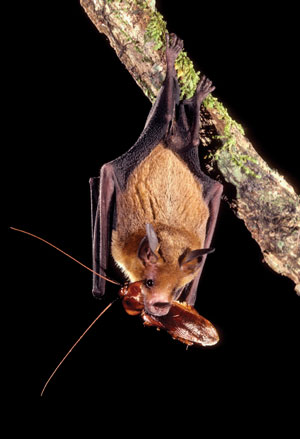
Bats are one of the most effective—and often most overlooked—allies in biological pest control. They are flying mammals that are primarily active at night, feeding on large quantities of insects.
In agricultural, forest, and even urban environments, they play a key role in the natural regulation of insect populations.
Great nocturnal hunters
Unlike insectivorous birds, bats are active at night, making them the perfect complement to beneficial fauna.
They feed on:
- moths (many of which are agricultural or forest pests)
- mosquitoes
- beetles
- other nocturnal flying insects
Thanks to their echolocation system, they can detect and capture prey in complete darkness with surprising precision.
An impressive consumption
A single bat can consume hundreds or even thousands of insects in one night.
In colonies, this impact multiplies, contributing very significantly to the control of nocturnal pests that often go unnoticed.
This makes them a very valuable natural resource, especially in areas with crops or a presence of flying insects.
Benefits for the ecosystem
The presence of bats offers multiple advantages:
- control of nocturnal insects
- pest reduction without chemicals
- ecological balance
- support for biodiversity
Furthermore, they help complete the biological control cycle alongside birds and beneficial insects, acting at different times of the day.
How to encourage their presence
To encourage bats, it is important to offer them suitable shelters, as natural places for them to settle are often scarce.
Some key measures:
- install bat houses
- avoid using pesticides
- maintain quiet areas
- preserve trees and structures where they can take refuge
Shelter boxes are especially useful in agricultural areas and gardens, where they can help keep nocturnal insects under control.
Debunking myths
Despite their importance, bats are still surrounded by many myths.
In reality:
- they are not dangerous
- they do not attack people
- they are fundamental for natural balance
Encouraging their presence is a simple way to improve ecosystem health.
Amphibians and reptiles
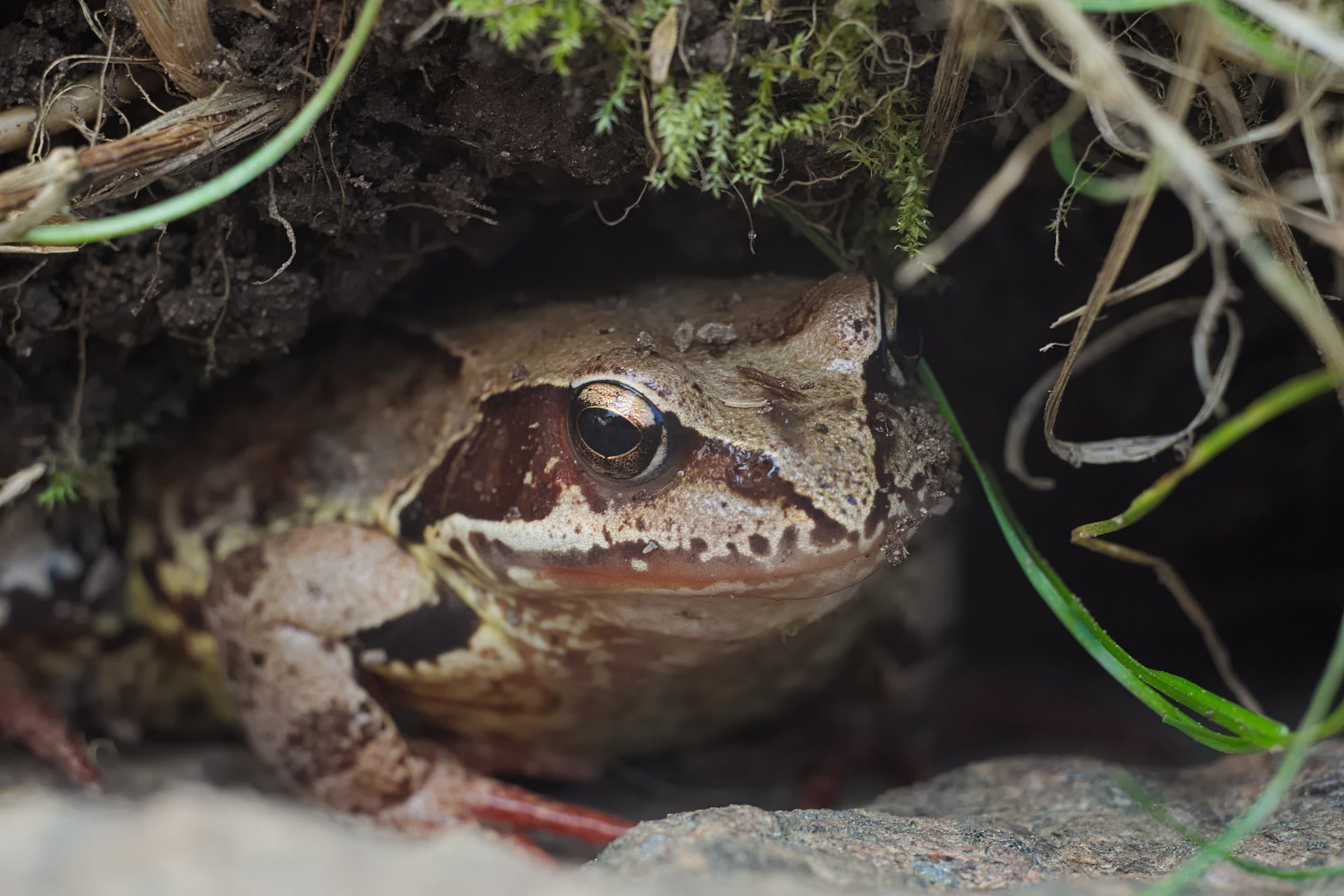
Frogs, toads, and lizards are also part of the beneficial fauna. They feed on insects and other small invertebrates, contributing to the balance of the ecosystem.
Benefits of beneficial fauna
Encouraging beneficial fauna not only helps control pests, but also provides multiple benefits at both ecological and economic levels. Choosing this approach means working with nature, rather than against it.
Encouraging beneficial fauna provides multiple advantages:
- Natural pest reduction: One of the main benefits is the regulation of insects and other organisms that can become pests.
- Reduced pesticide use: Having natural predators reduces the need for chemical applications.
- Improved biodiversity: Promoting beneficial fauna involves creating richer and more diverse environments.
- More balanced ecosystems: An ecosystem with greater biodiversity is more resistant to pests, more stable in the long term, and more balanced.
- Long-term economic savings: Although some measures require a small initial investment (such as installing nesting boxes or insect hotels), in the medium and long term they represent savings. The purchase of phytosanitary products, the frequency of treatments, and losses due to uncontrolled pests are reduced. It is an especially interesting strategy in organic farming.
Furthermore, it allows for more sustainable agriculture that is respectful of the environment.
How to encourage beneficial fauna
There are many ways to encourage the presence of beneficial fauna:
- install nesting boxes for insectivorous birds
- install shelters for bats
- place insect hotels
- maintain areas with natural vegetation
- avoid using pesticides
Small actions can have a big impact on the ecosystem.
The importance of natural balance
The goal is not to eliminate all pests, but to maintain a balance.
When we encourage beneficial fauna, we allow nature to regulate insect populations and other organisms on its own.
This approach is more sustainable, long-lasting, and environmentally friendly.
Betting on nature
At Los Nidos de David we believe in nature-based solutions.
Encouraging beneficial fauna not only helps protect our crops, but also contributes to preserving biodiversity and building a healthier environment for everyone.