

The European roller: a jewel of our countryside
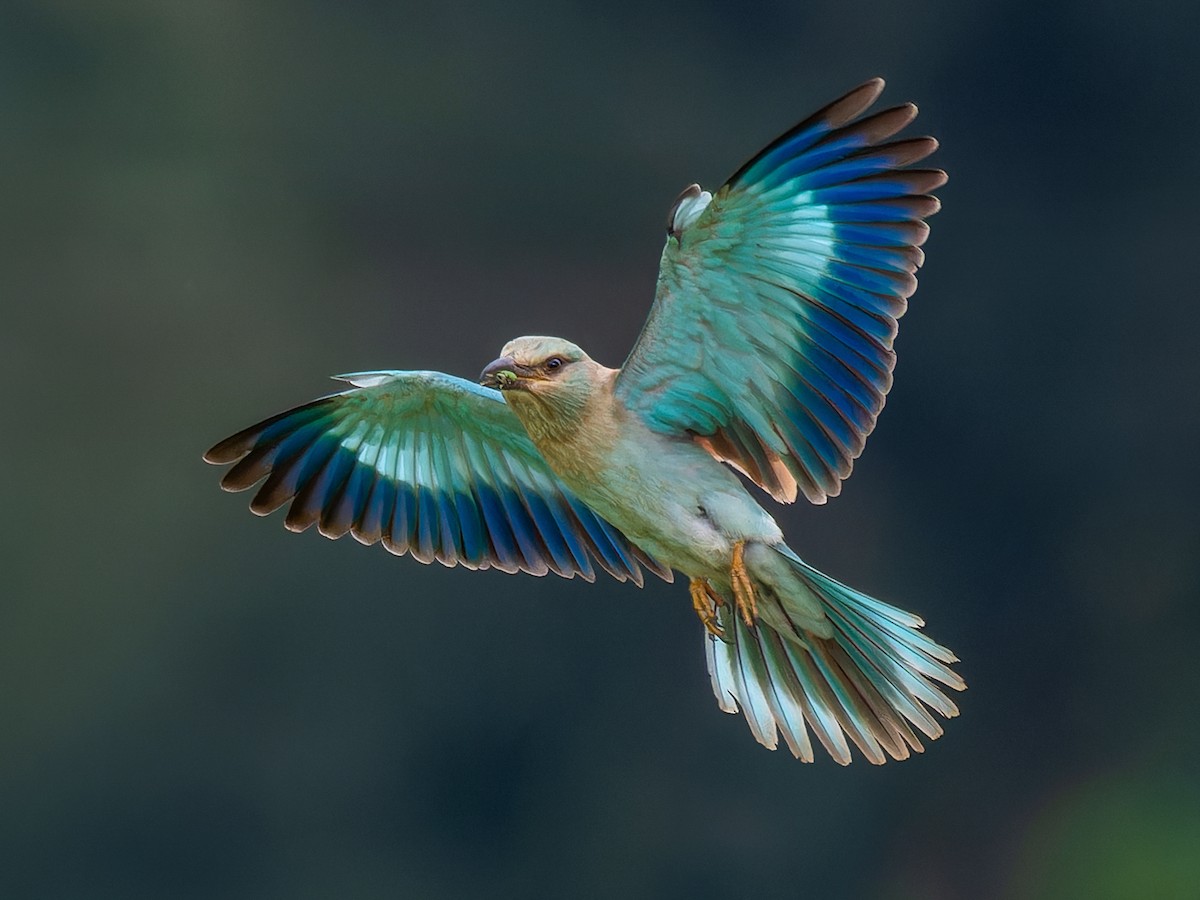
The European Roller (Coracias garrulus) is one of the most spectacular birds found in the agricultural landscapes of the Iberian Peninsula. Its turquoise blue and chestnut colors make it an unmistakable species when it perches on posts, wires, or trees, from where it observes the ground in search of prey.
For decades, it was relatively common in many agricultural areas, but agricultural intensification and the loss of nesting sites have led to a significant decline in its populations.
For this reason, more and more conservation projects are opting to install specific nest boxes for this species.
Characteristics of the European Roller

The roller is a medium-sized bird, slightly larger than a magpie. Main characteristics:
- Length: 30–32 cm
- Wingspan: 65–73 cm
- Turquoise blue on wings and belly
- Reddish-brown back
- Very striking flight with electric blue wings
It is especially known for its aerial acrobatics during courtship, which give it its name.
Where the European Roller Lives
The roller prefers open landscapes with scattered trees, typical of:
- cereal crops
- vineyards
- dehesas (wooded pastures)
- agricultural steppes
It needs two key elements:
- Open areas to hunt insects
- Holes for nesting
Traditionally, it used natural cavities in trees or old constructions. Nowadays, such holes are increasingly scarce.
What the Roller Eats
The roller is a great ally of agriculture, as it mainly feeds on:
- large insects
- grasshoppers
- beetles
- crickets
- small reptiles
This makes it an excellent biological pest control agent in crops.
How to Help the European Roller
One of the most effective conservation measures is the installation of suitable nest boxes.
The boxes must meet certain characteristics:
- internal height: 40–45 cm
- internal base: 20 × 20 cm
- entrance hole: 65 mm
- thick natural wood
- placement at 3–6 meters high
These nest boxes are being used successfully in many conservation projects in Spain.
At Los Nidos de David, we advocate for these types of solutions to promote biodiversity and natural pest control in agricultural areas.

Nest box for European Roller